No Marsala? Top Wine Substitutes for Your Chicken Marsala
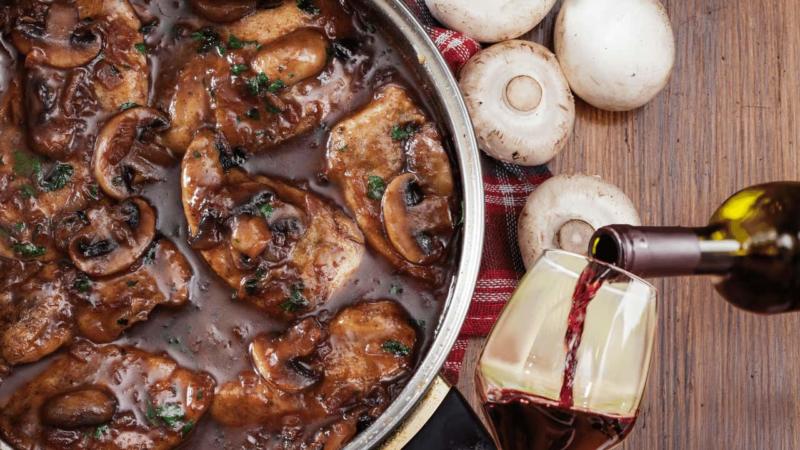
Chicken Marsala is more than just a meal; it's a culinary experience that transports you straight to a cozy Italian kitchen. This iconic dish, beloved in both traditional Italian and Americanized versions, features golden, pan-fried chicken breasts generously coated in a rich, creamy sauce brimming with earthy mushrooms and a delightful punch of garlic. Every bite offers a perfect symphony of deep, robust flavors, often with a hint of sweetness, making it a favorite for weeknight dinners and special occasions alike. It's truly a dish that earns its reputation for being irresistibly addictive and restaurant-quality, yet surprisingly simple to create at home.
The magic of a truly exceptional Chicken Marsala lies in the harmonious blend of its key ingredients. While tender chicken and savory mushrooms are vital, it’s the unique character of Marsala wine that truly elevates the sauce, infusing it with unparalleled depth and a complex flavor profile. But what happens when you’re ready to whip up this tantalizing dish only to discover your pantry lacks this essential fortified wine? Don't despair! While Marsala is indeed the heart of the dish, its absence doesn't mean your culinary dreams are dashed. There are several fantastic wine substitutes and even non-alcoholic alternatives that can help you achieve a sauce that's still vibrant, rich, and deeply satisfying. Let’s uncork some delicious solutions!
The Heart of the Matter: Why Marsala Wine is Key to Authentic Chicken Marsala
To understand what makes a good substitute, it's important to first grasp what makes Marsala wine so special. Hailing from the sun-drenched island of Sicily, Marsala is a fortified wine, meaning a distilled spirit (usually brandy) is added to it, increasing its alcohol content and enhancing its flavor. This fortification process gives Marsala its distinctive depth, richness, and complexity that sets it apart from regular table wines.
When used in cooking, Marsala wine offers a multi-layered flavor profile. Dry Marsala, the preferred choice for savory dishes like Chicken Marsala, contributes a nutty, somewhat smoky, and often subtly caramelized taste that melds beautifully with the umami of mushrooms and the richness of chicken. Sweet Marsala, while delicious in desserts, would overpower the savory elements of this dish. The wine’s deep amber hue also contributes to the rich color of the sauce. It's this unique combination of depth, sweetness (when balanced), and fortified character that creates the signature robust flavor of the sauce. For a deeper dive into all the components that bring this dish to life, explore our Unlock Creamy Chicken Marsala: Essential Ingredients Guide.
The cooking process allows the alcohol to evaporate, leaving behind the concentrated flavors of the wine, which then caramelize and integrate with the other ingredients like garlic, chicken drippings, and mushrooms. This creates a deeply flavorful base for the creamy sauce. Knowing these characteristics of Marsala helps us identify substitutes that can mimic its unique contribution to the dish.
Top Wine Substitutes for Chicken Marsala: Uncorking New Flavors
When Marsala wine isn't an option, you still have an exciting array of alternatives that can bring a similar complexity and richness to your chicken marsala sauce. The key is to select a substitute that offers depth, a touch of sweetness, and a robust body.
Dry Madeira Wine
Often considered Marsala’s closest cousin in the culinary world, Dry Madeira Wine is an excellent substitute. Also a fortified wine, Madeira shares many characteristics with Marsala, including its robust flavor profile and a subtle hint of sweetness. Dry Madeira, in particular, offers a rich, nutty, and slightly caramelized flavor that will beautifully complement the chicken and mushrooms. Its inherent acidity also helps balance the richness of the sauce, mirroring Marsala’s role perfectly.
- Why it works: Similar fortification, nutty and caramelized notes, good depth.
- Tip: Start with an equal amount to what the recipe calls for Marsala.
Dark Sherry (Dry)
Another fantastic fortified wine option is Dark Sherry, specifically a dry variety such as Oloroso or Amontillado. Sherry brings a rich, nutty, and earthy essence to the dish that closely mimics the depth of Marsala. Its savory notes and nuanced complexity can provide that same restaurant-quality foundation for your sauce. Avoid sweet sherries, as they will throw off the balance of the savory dish.
- Why it works: Fortified, rich, nutty, and earthy flavors that add depth.
- Tip: Ensure you choose a *dry* sherry. Use 1:1 ratio.
Port Wine
For a slightly sweeter and fruitier twist, Port Wine can be a delightful substitute. While typically sweeter than dry Marsala, a good Ruby or Tawny Port can introduce a unique dimension to your sauce with its rich, berry-like undertones. The fortification in Port also contributes significant body and depth. However, because of its sweetness, it’s crucial to use Port sparingly and adjust other seasonings to maintain a balanced flavor profile in your Chicken Marsala.
- Why it works: Fortified, adds rich body and a fruitier sweetness.
- Tip: Use about two-thirds of the amount of Marsala called for and taste before adding more. You might need to add a splash of chicken broth or a touch of vinegar to balance the sweetness.
Red Vermouth (Dry)
Red Vermouth, a fortified and aromatized wine infused with botanicals, offers a blend of subtle sweetness and herbaceous notes. A dry red vermouth can introduce a sophisticated complexity to your sauce, adding an intriguing botanical twist that can be quite pleasant. It provides good depth and a slight sweetness that can work well, though it won't be an exact flavor match for Marsala.
- Why it works: Fortified, complex botanical and subtly sweet notes.
- Tip: Use in a 1:1 ratio, but be mindful of its unique aromatic profile.
Dry White Wine + Brandy or Cognac
If fortified wines are completely out of reach, you can craft a credible substitute using a Dry White Wine combined with a splash of Brandy or Cognac. The dry white wine (such as Pinot Grigio, Chardonnay, or Sauvignon Blanc) provides the necessary acidity and a base wine flavor. The brandy or cognac then acts as the 'fortifier,' adding the depth, warmth, and complexity that are characteristic of Marsala. This combination helps to replicate the unique characteristics that Marsala brings to the dish.
- Why it works: Mimics the fortified aspect with depth and acidity.
- Tip: Use ¾ cup dry white wine and ¼ cup brandy/cognac for every 1 cup of Marsala required.
Non-Alcoholic Alternatives: Building Flavor from Scratch
For those who prefer not to cook with alcohol, delicious results are still achievable. The goal is to build layers of savory, slightly sweet, and earthy flavors:
- Chicken or Mushroom Broth + Balsamic or Sherry Vinegar: Use a good quality, robust chicken or mushroom broth as your liquid base. To replicate the acidity and depth of Marsala, add a small splash (1-2 tablespoons per cup of broth) of Balsamic Vinegar or Sherry Vinegar. The vinegar adds complexity and a hint of sweetness (especially balsamic) that mimics the wine's contribution.
- Tip: Reduce the broth significantly to concentrate flavors before adding other ingredients. Don’t skimp on the mushrooms and garlic, as they will be crucial for building umami.
Crafting the Perfect Marsala-Style Sauce with Substitutes: Tips for Success
Using a substitute doesn't mean compromising on flavor; it simply means being a little more intentional in your cooking. Here are some key tips to ensure your Chicken Marsala turns out incredibly delicious, regardless of the wine you use:
- Balance is Key: When using a substitute, especially one that might be sweeter or more acidic, constantly taste your sauce. Adjust seasonings as you go. If it's too sweet, a tiny splash of lemon juice or a pinch more salt can help. If it lacks depth, a dash of soy sauce or Worcestershire can provide an umami boost.
- Don't Skip the Deglazing: After cooking the chicken, you'll have flavorful fond (brown bits) stuck to the bottom of the pan. Use your chosen wine substitute (or broth) to deglaze the pan, scraping up all those delicious bits. This step is crucial for building a rich flavor base for your sauce.
- Mushroom Power: The earthy, robust flavor of cremini (baby bella) or brown mushrooms is paramount. They work in tandem with the wine to create that signature Marsala depth. Sauté them until golden brown to enhance their flavor and texture, especially if you're using a non-alcoholic substitute.
- Reduction for Richness: Allow your sauce to simmer and reduce. This concentrates the flavors and thickens the sauce, creating that luscious, restaurant-worthy consistency. Be patient; good things come to those who wait!
- Season Generously: Don't be shy with garlic, salt, and freshly ground black pepper. These foundational seasonings are vital, especially when you're experimenting with different wine profiles.
With these practical tips and a willingness to experiment, you'll be well on your way to creating a delectable Chicken Marsala that rivals any traditional version. For more comprehensive guidance on preparing this delightful dish from start to finish, check out our article: Make Restaurant-Worthy Chicken Marsala at Home in 30 Mins.
Conclusion
The beauty of cooking lies in its flexibility and the joy of creation, even when faced with unexpected ingredient shortages. While Marsala wine undoubtedly forms the distinctive heart of an authentic Chicken Marsala, its absence is by no means a deal-breaker. As we've explored, a range of excellent wine substitutes, from Dry Madeira and Sherry to Port and even carefully constructed non-alcoholic alternatives, can help you achieve a sauce that is rich, flavorful, and deeply satisfying. By understanding the core characteristics of Marsala wine and applying a few smart culinary techniques, you can confidently prepare a creamy, dreamy mushroom sauce with golden, juicy chicken breasts that will impress your family and friends. So, next time you're craving this Italian-American classic, don't let a missing bottle of Marsala stop you – embrace the alternatives and create your own unforgettable dining experience!
